When moisture troubles strike your crawl space, finding the right solution can feel overwhelming. Homeowners frequently hear two terms tossed around: crawl space waterproofing and crawl space encapsulation.
While both services aim to protect your foundation and improve your living environment, they target two completely different forms of water. Installing the wrong solution—or executing them in the wrong sequence—can waste money and leave your home vulnerable to rot, mold, and foundation settling.
Here is a clear guide on the differences between crawl space waterproofing and crawl space encapsulation, how to recognize which one your Northwest Indiana home needs, and why they often work best as a team.
The Core Difference: Bulk Water vs. Water Vapor
The simplest way to understand the distinction comes down to the state of the water:
- Crawl Space Waterproofing manages liquid water (bulk groundwater, rain runoff, or high water table seepage).
- Crawl Space Encapsulation manages water vapor (humidity, ground dampness, and unconditioned air movement).
Understanding this difference keeps you from applying a vapor solution to a flooding problem or vice versa.
What Is Crawl Space Waterproofing?
Crawl space waterproofing focuses on intercepting and removing standing or seeping water before it can puddle beneath your floor joists or undermine your foundation walls.
In Northwest Indiana communities like Portage, Valparaiso, Hammond, and Crown Point, heavy spring rains and high water tables regularly push groundwater up through dirt floors or foundation footings. Waterproofing provides a dedicated pathway to capture that water and pump it safely away from the structure.
Key Components of Crawl Space Waterproofing
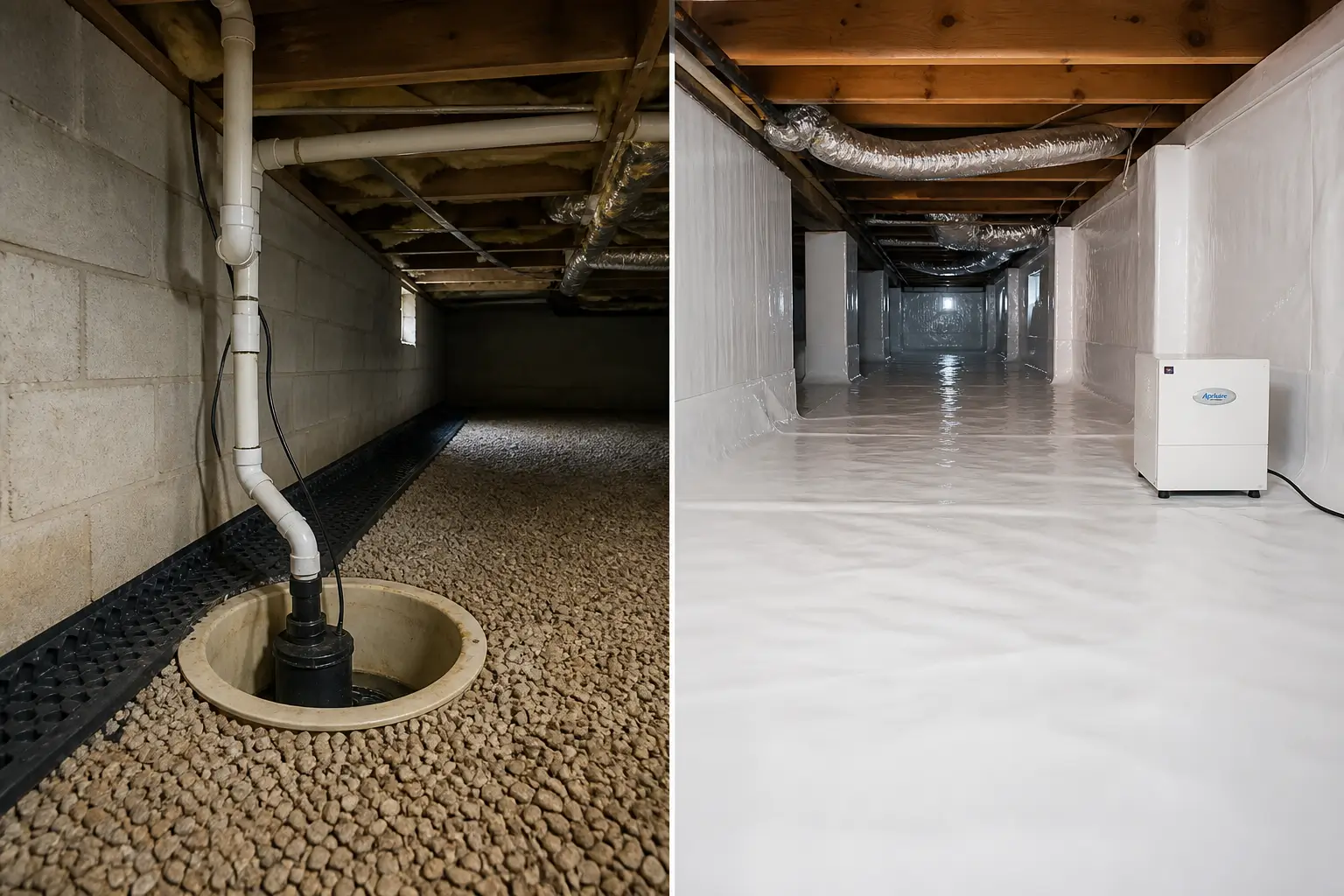
- Interior Perimeter Drainage: Perforated pipe or specialized drainage channels installed along the inside footing of the crawl space walls to intercept groundwater.
- Sump Pump Systems: Heavy-duty, dual-pump or battery-backup sump pump basins installed in the lowest point of the crawl space to actively discharge collected water outdoors.
- Gravity Drains & Discharge Lines: Direct piping that channels water far away from your home's foundation to prevent re-entry.
If you regularly see puddles, mud, or standing water after heavy rain, your crawl space requires waterproofing and interior drainage first.
What Is Crawl Space Encapsulation?
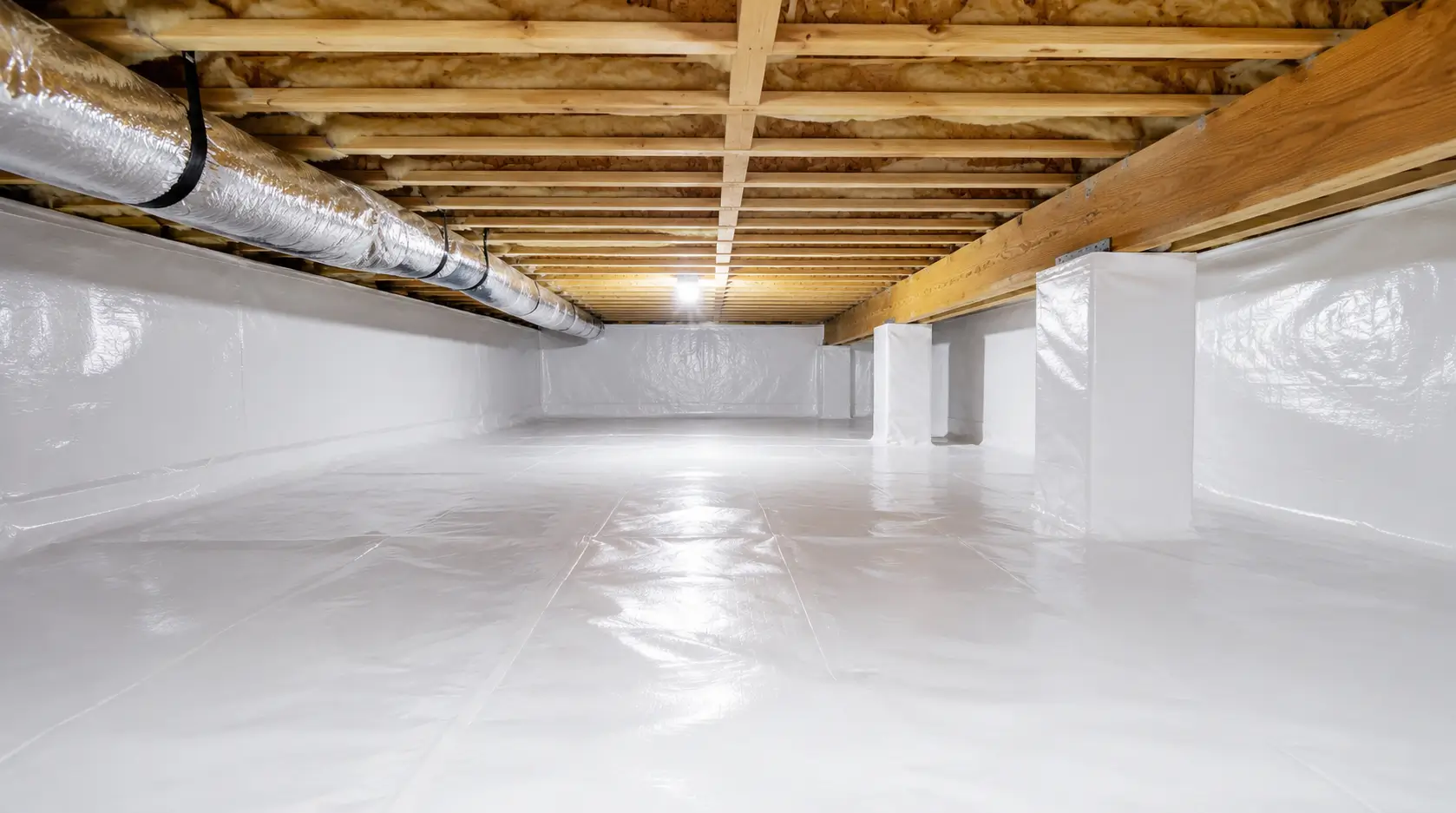
Crawl space encapsulation turns an open, vented, damp under-house environment into a clean, dry, conditioned space—much like a sealed basement.
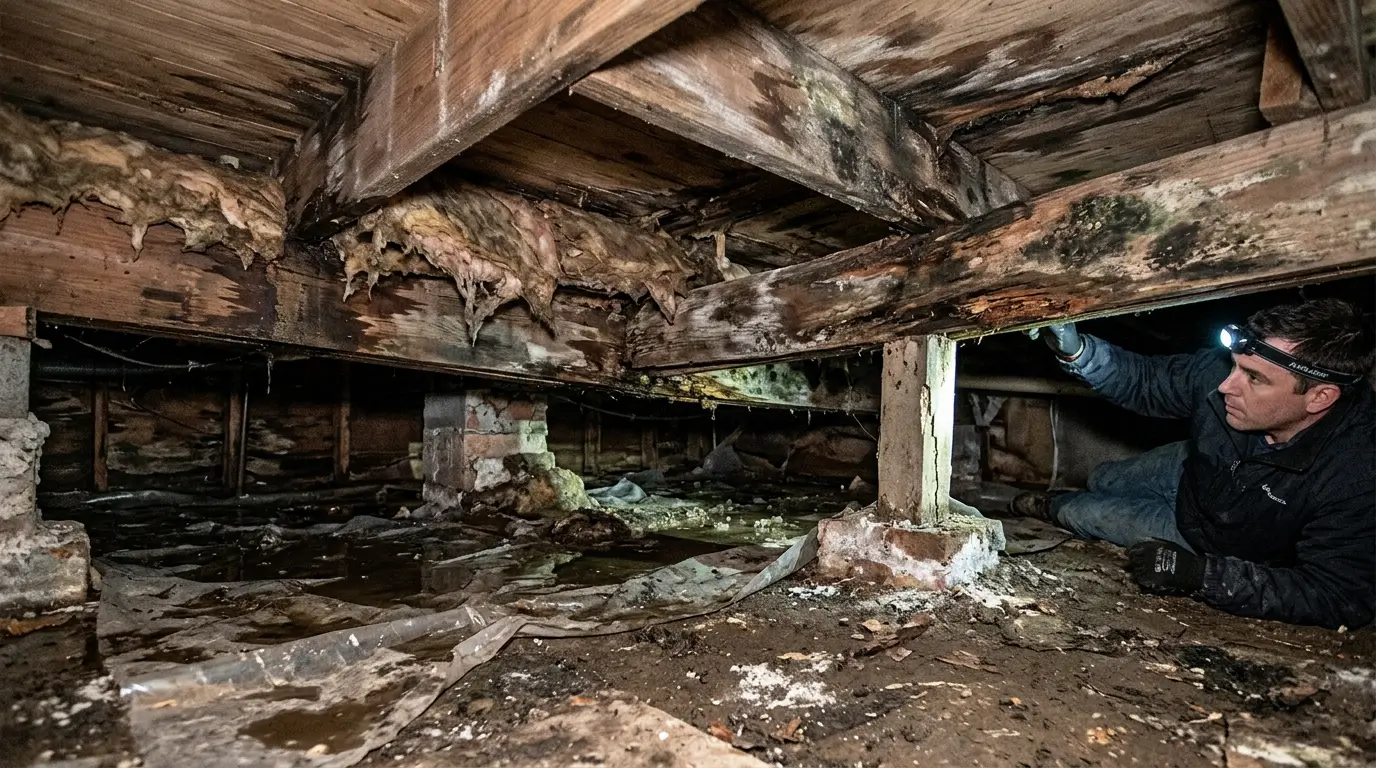
Even when bulk liquid water is not pooling on the ground, bare soil constantly releases invisible moisture vapor. Open crawl space vents also invite hot, humid summer air or freezing winter drafts inside. This moisture travels upward into your home through the "stack effect," feeding mold, rotting floor joists, and increasing energy costs.
Key Components of Crawl Space Encapsulation
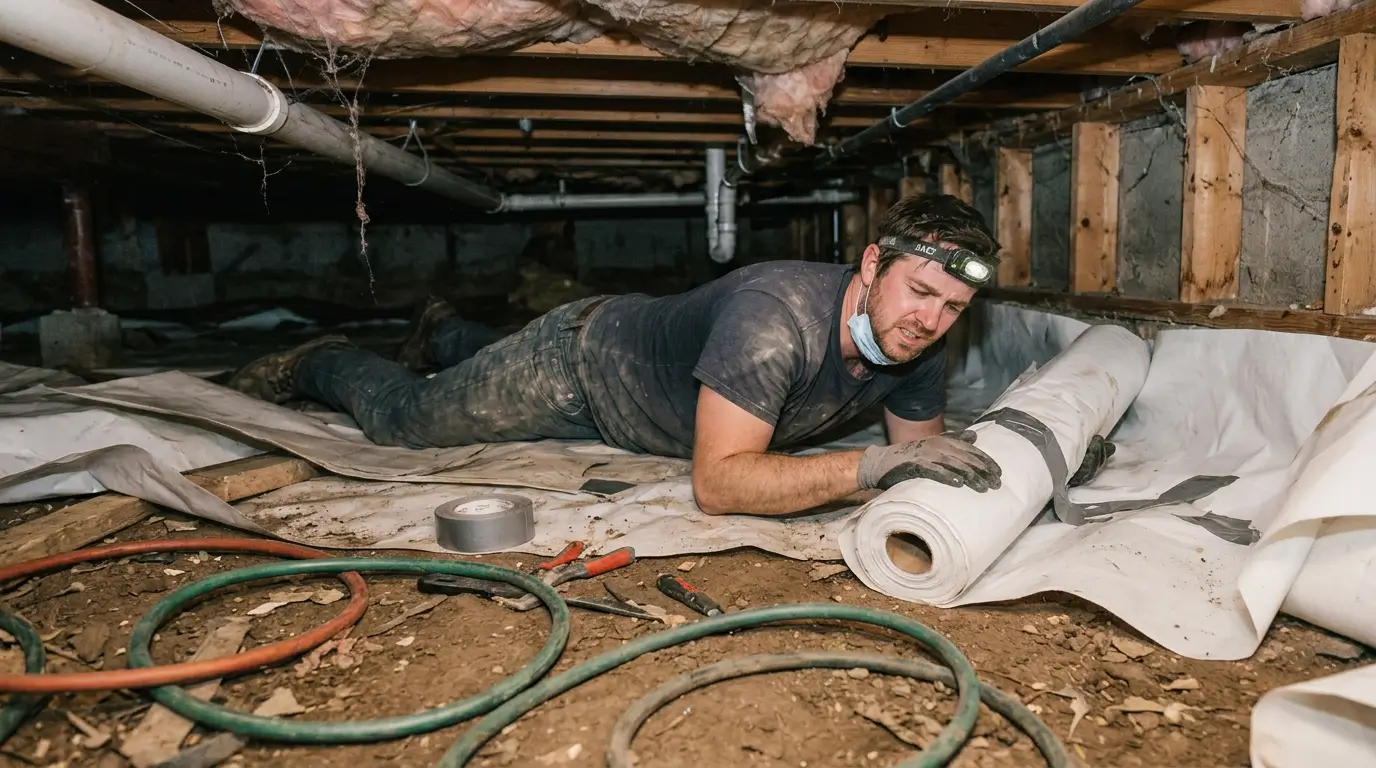
- Heavy-Duty Vapor Barrier: A thick, reinforced polyethylene liner (typically 12-mil to 20-mil) covering 100% of the ground floor and extending up foundation walls, with all seams sealed watertight with specialty tape.
- Vent Sealing: Airtight covers installed over crawl space foundation vents to block external humidity and cold air.
- Rim Joist Insulation: Applying spray foam or rigid foam insulation around perimeter rim joists to prevent thermal bridging.
- Crawl Space Dehumidifier: A commercial-grade, self-draining dehumidifier configured to keep relative humidity below 55% year-round.
Encapsulation stops ground vapor evaporation, prevents mold, improves indoor air quality, and lowers heating and cooling bills.
Direct Comparison: Waterproofing vs. Encapsulation
| Feature | Crawl Space Waterproofing | Crawl Space Encapsulation |
|---|---|---|
| Primary Target | Liquid water & groundwater seepage | Moisture vapor, humidity, & outside air |
| Main Equipment | Drainage channels & sump pumps | Heavy vapor barrier & dehumidifier |
| Primary Goal | Stop standing water & puddles | Stop mold, musty odors, & high humidity |
| Vents | Vents remain open unless encapsulated | Foundation vents are permanently sealed |
| HVAC / Energy | Minimal direct impact on HVAC efficiency | Significantly reduces heating & cooling costs |
| Air Quality | Prevents water stagnancy | Halts mold spores & allergens from entering living space |
When Do You Need Crawl Space Waterproofing?
You should prioritize waterproofing if you notice any of these red flags:
- Standing Water After Rains: Puddles or pooling water visible on the soil or concrete pad after rainstorms.
- Muddy or Soggy Floor: Soil floor that squishes underfoot or turns to mud during wet seasons.
- Efflorescence on Foundation Walls: White, powdery mineral crust on concrete blocks indicating water is actively migrating through masonry.
- Water Stains Around Footings: Dark lines along the base of concrete block or poured foundation walls.
Note: If you install a vapor barrier directly over pooling liquid water without a sump pump or drainage system, water will pool on top of or beneath the plastic, creating hydrostatic pressure, severe foul odors, and eventual system failure.
When Do You Need Crawl Space Encapsulation?
Encapsulation is the ideal solution if you observe these symptoms:
- Musty Odors Indoors: Foul, earthy smells in your living rooms or bedrooms that get stronger during humid summer months.
- High Indoor Humidity: Sticky indoor air, sweaty windows, or HVAC units running constantly.
- Visible Wood Mold: White, black, or fuzzy mold growth on floor joists or subflooring (which requires mold removal during the process).
- Sagging or Spongy Floors: Floors that feel soft or bouncy, pointing to moisture-weakened joists requiring structural repairs.
- High Energy Bills: Drafty floors in winter and high cooling bills in summer.
Why Waterproofing and Encapsulation Work Best Together
For many Northwest Indiana homes, the ultimate long-term solution is a combination of both waterproofing and encapsulation.
Here is why:
- Waterproofing handles the liquid water underneath: An interior French drain and sump pump collect incoming groundwater and pump it away before it can flood the space.
- Encapsulation seals out the remaining vapor: A heavy-duty 20-mil vapor barrier is installed over the drainage system, sealing the floor and walls while a dehumidifier maintains ideal relative humidity.
By combining an interior drainage system with full crawl space encapsulation, you build a comprehensive defense against both flooding and humidity.
Get a Professional Crawl Space Assessment
Not sure whether your home needs waterproofing, encapsulation, or a custom combination of both?
The best way to avoid overpaying or choosing the wrong repair is to schedule a thorough inspection. Northwest Crawl Space Repair inspects crawl spaces across Portage, Chesterton, Valparaiso, Crown Point, Hobart, and surrounding areas. We evaluate water pathways, measure wood moisture content, inspect structural joists, and give you an honest, clear plan.