
Keep Water Out
Crawl Space Waterproofing
Interior and exterior waterproofing for Northwest Indiana groundwater and runoff.
Northwest Indiana
Crawl Space Waterproofing That Keeps Water Out
When water enters your crawl space through walls, floors, or seasonal runoff, a liner alone will not fix it. At Northwest Crawl Space Repair, we design interior and exterior waterproofing systems for Northwest Indiana soil conditions, high water tables, and the freeze-thaw cycles that stress foundations every year.
Our team traces the source during a free inspection—groundwater, grading, foundation seepage, or drainage failures—then recommends the right combination of waterproofing, French drains, and sump pumps. You get a dry crawl space ready for vapor barrier or encapsulation, not a temporary patch.
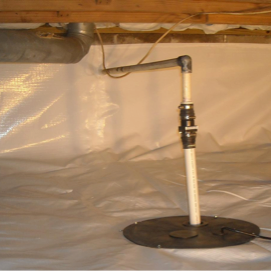
Waterproofing installed on a Northwest Indiana crawl space.
Why Waterproof
Benefits of Professional Waterproofing
Waterproofing addresses active water intrusion—the step that must come before sealing a crawl space with a liner or full encapsulation.
Stops Active Water Intrusion
Waterproofing addresses water entering through walls, floors, and joints—so moisture is managed at the source, not just covered with a liner.
Protects Structure & Foundation
Controlling groundwater and runoff helps prevent wood rot, rusted fasteners, and long-term foundation damage under your home.
Prepares for Encapsulation
Active water must be resolved before sealing a crawl space. Waterproofing creates the dry foundation a vapor barrier or encapsulation system needs.
Healthier Indoor Environment
Less standing water and seepage means fewer musty odors, mold risks, and allergens rising into your living areas.
Our Approach
What Goes Into Crawl Space Waterproofing
Every project is scoped to where water actually enters. These are the core components we combine for systems that perform in Indiana's climate.
Interior Waterproofing
Wall and floor treatments inside the crawl space that block seepage and channel water toward drainage—ideal when water enters from within.
Exterior Waterproofing
Membrane, sealant, and drainage outside the foundation to stop groundwater and runoff before it reaches your crawl space.
Drainage Integration
French drains and sump pumps paired with waterproofing when water pools on the floor or returns after heavy rain.
Crack & Penetration Sealing
Foundation cracks, pipe penetrations, and cold joints are addressed so water cannot bypass the waterproofing system.
From Inspection to Dry
How Waterproofing Works
Free Crawl Space Inspection
We trace where water originates—groundwater, wall seepage, runoff, or grading issues—and document conditions with photos.
Custom Waterproofing Plan
You receive a clear scope: interior, exterior, or both, plus drainage needs, timeline, and transparent pricing.
Prep & Water Management
We address active pooling, install drainage if needed, and prepare surfaces so waterproofing materials bond and perform long-term.
Install & Final Walkthrough
Our crew completes the waterproofing system, tests drainage, and reviews maintenance so you know what to expect through every season.
Know the Signs
When Your Crawl Space Needs Waterproofing
Many homeowners notice problems upstairs before they look under the house. If you see any of the following, a professional inspection can confirm whether waterproofing, drainage, or mold remediation is needed—and in what order.
- Standing water or muddy soil after rain—even days later
- Water stains, flaking paint, or efflorescence on foundation walls
- Active seepage through floor cracks or where walls meet the floor
- Sump pump running frequently or failing to keep up during storms
- Musty smells that worsen after heavy rainfall
- Seasonal flooding or high water table issues in your neighborhood
Common Questions
Crawl Space Waterproofing FAQs
Do you offer interior and exterior waterproofing?
Yes. Interior waterproofing addresses water that enters through the floor or walls from inside the crawl space, often paired with drainage. Exterior waterproofing targets groundwater and runoff outside the foundation. During inspection we identify where water originates and recommend the approach—or combination—that fits your home.
When do I need waterproofing vs. a vapor barrier?
A vapor barrier blocks ground moisture evaporation—it does not stop water that actively enters through walls or pools on the floor. If you have standing water, wall seepage, or seasonal flooding, waterproofing and drainage should come first. Once active water is managed, a vapor barrier or full encapsulation can seal the space.
When do I need interior drainage or a sump pump?
Interior drainage and a sump pump are recommended when water pools on the ground, seeps through the floor, or returns after heavy rain—even if the source is groundwater or foundation seepage. A liner alone cannot remove standing water; drainage collects it and the pump sends it outside before you seal the space.
How much does crawl space waterproofing cost in Indiana?
Cost depends on crawl space size, whether interior or exterior work is required, drainage needs, accessibility, and existing damage. Most Northwest Indiana homes receive a detailed quote after a free on-site inspection—there is no one-size-fits-all price because water sources vary from home to home.
How long does waterproofing take?
Interior waterproofing with drainage often takes one to three days. Exterior work can take longer depending on excavation, weather, and scope. We provide a written schedule before work begins and coordinate phasing if encapsulation or mold remediation follows.
What warranty comes with a crawl space waterproofing system?
We offer a Lifetime Transferable Warranty on qualifying crawl space waterproofing systems—valid for the lifetime of the home or up to two transfers of ownership. The CrawlDrain drainage system warranty guarantees no pooling water in your crawl space. The sump pump carries a 3-year parts and labor warranty. The CrawlSeal encapsulation system warranty covers joints, sealants, and tears in the liner. Contact us to request a full copy of the warranty.
Have a question we did not cover? Contact us or browse our full FAQ page.